Georgetown in Bahia: African Diaspora and Public Health in Brazil – Summer Program
Join us on a four-week program to learn about Brazilian history, the city of Salvador, and its importance during the slavery trade from the 1600s to the 1800s, through its history, and the presence of West African or Yoruba traditions in Bahia’s culture (religion, music, food). Hosted in partnership with the ICR (Instituto Clara Ramos), Georgetown in Bahia blends four weeks of intensive, Georgetown-designed summer study with enriching cultural immersion in the city of Salvador. Also, it includes learning about Brazilian public policies and tropical diseases. Students will also learn basic Portuguese. The program is also open to non-Georgetown students.
Brazil is the largest country in South America, the fifth largest in the world, a leading global power, and the only Portuguese-speaking nation in the Americas. Colonized by Portugal, the country is known for its rich cultural history, similar to the colonial history of the Spanish-American countries, and shares aspects of the slave trade in the 1700s and of European immigration at the end of the 19th century with the United States. The country is known for its human diversity, as well as for the Amazon rainforest, diverse biodiversity, and being the only Portuguese-speaking nation in the Americas. Its capital is Brasília, while São Paulo is its largest city.
The City
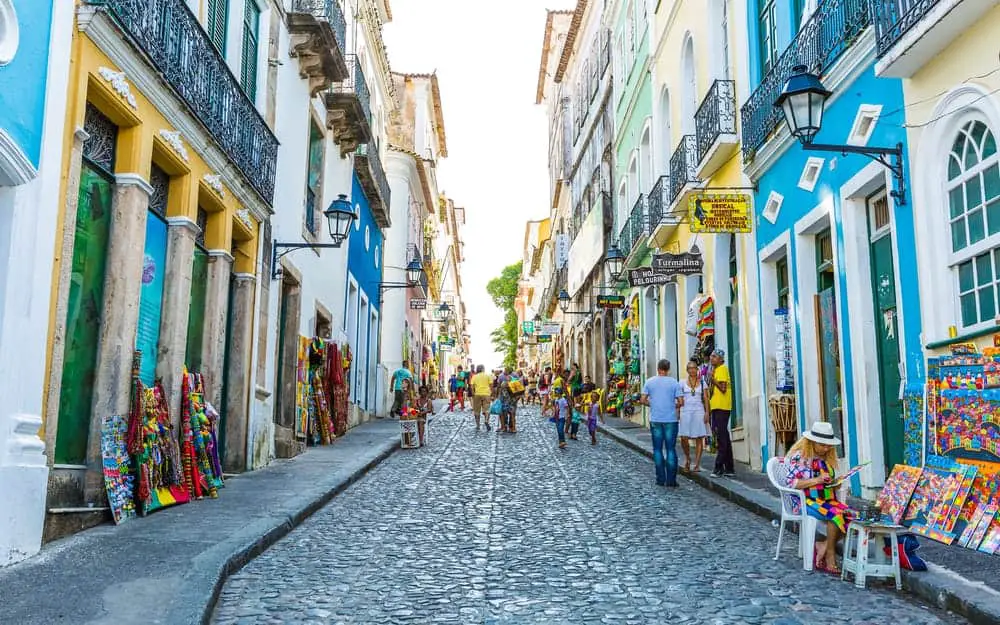
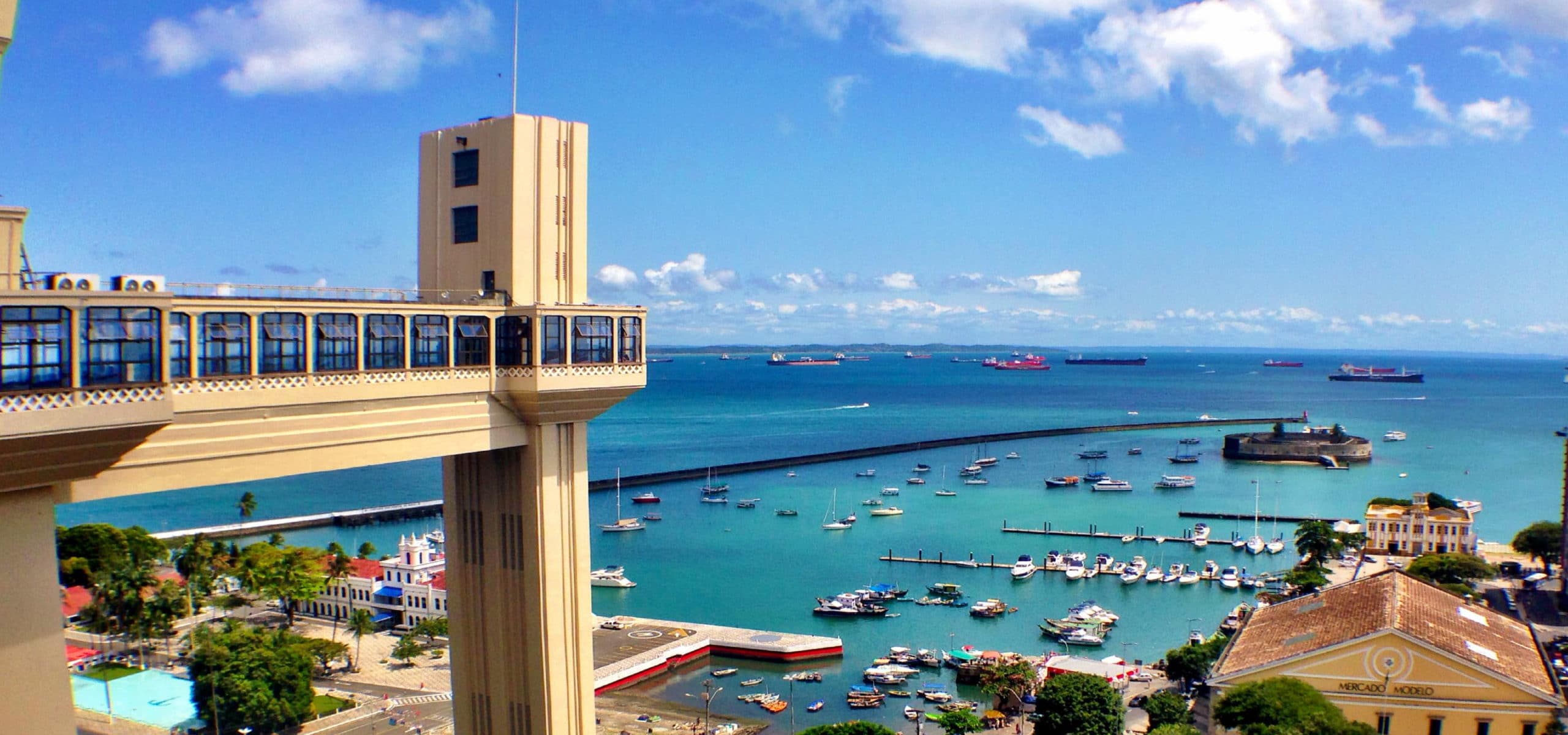
Salvador, the capital of the state of Bahia, is the third most populous Brazilian city (2.4 million population), after São Paulo and Rio de Janeiro. Located in the Northeast region of the country, Salvador, a 500-year-old city and UNESCO World Heritage site, is famous for its coastline and for being the hub of many Afro-Brazilian traditions, present in the Candomblé religion of West and Central Africa influences, and also in the local cuisine and music. Students will experience the Bahia culture while living in homestays in Salvador, and will learn about Afro-Brazilian culture, Brazil’s public health system, social welfare government programs, and tropical diseases through lectures by local experts. Students will participate in dance and percussion workshops, visit museums, historical sites, and Afro-Brazilian quilombos communities (hinterland settlements), and enjoy the popular festivals that take place in the month of June.
The Site
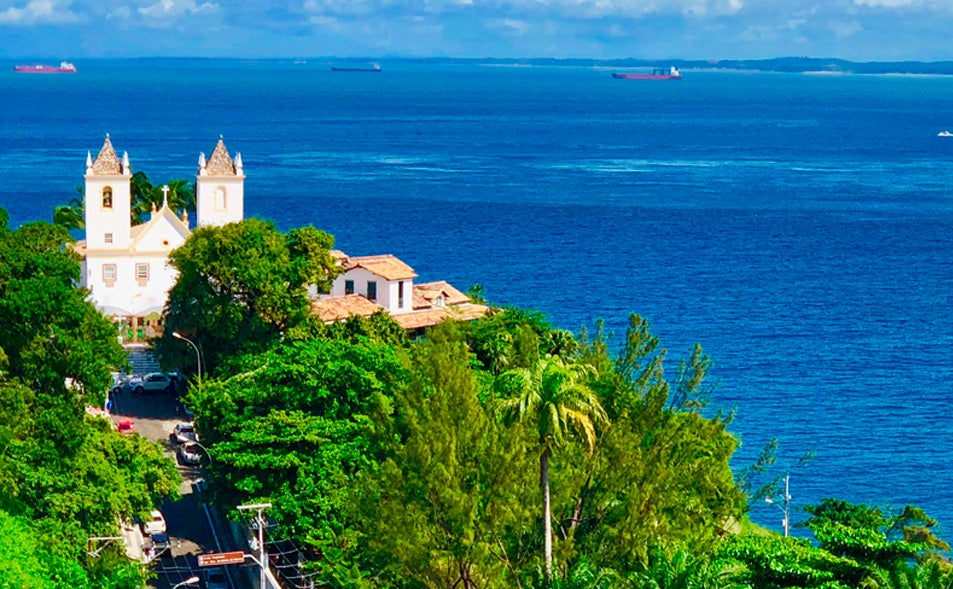
The Instituto Clara Ramos (ICR) is an independent organization with over 20 years of experience with international students. The ICR is located in the Vitória neighborhood at Av. Sete de Setembro, 2792. This modern facility, shared with the Cervantes Institute-Salvador, is situated close to the historic city center and the Federal University of Bahia (UFBA).
More Info:
Find out more about the program, including program daily structure, costs, funding, housing, and application requirements, on our website below. For additional questions, please contact the director, Dr. Vivaldo Santos. We will also have a second info session during the month of January 2026, when you can speak with us directly. Georgetown University offers an exciting summer program in the city of Salvador, Bahia (Brazil). In this unique four-week program, you will live and learn in the city of Salvador, which is considered the most African city in the Americas. You will have the opportunity to learn about Brazilian history, the city of Salvador, and its importance during the slavery trade from the 1600s to the 1800s, through its history, and the presence of West African or Yoruba traditions in Bahia’s culture (religion, music, food). Hosted in partnership with the ICR (Instituto Clara Ramos), Georgetown in Bahia blends four weeks of intensive, Georgetown-designed summer study and enriching cultural immersion in the city of Salvador, learning also about Brazilian public policies and tropical diseases. You will also have the opportunity to live with a local family and learn some basic Portuguese language.